Smatree


Who we are at Smatree
We are a carrying-gear workshop. Everything on this site is something you put a machine into — a shell, a sleeve, a bag, a dock, a pole. We have been moulding EVA since the first action cameras started going underwater, and the discipline that came out of that work is the one we still use on laptop shells: press a shape, cut the lining to one device, and refuse to pretend a size bracket is a fit.
Where we started
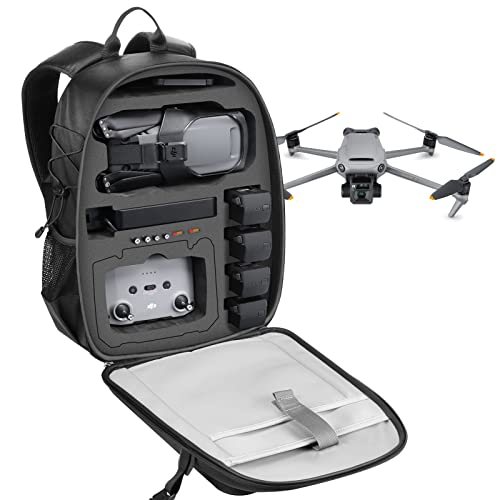
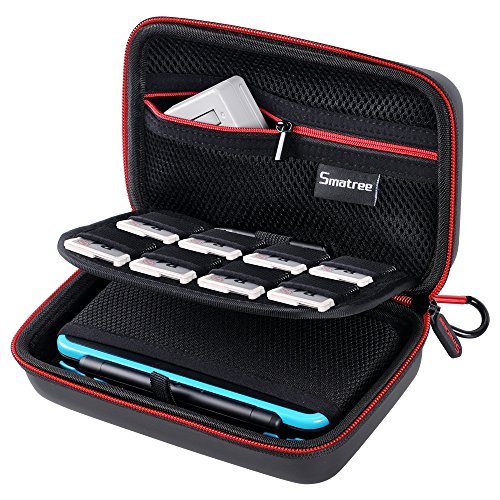
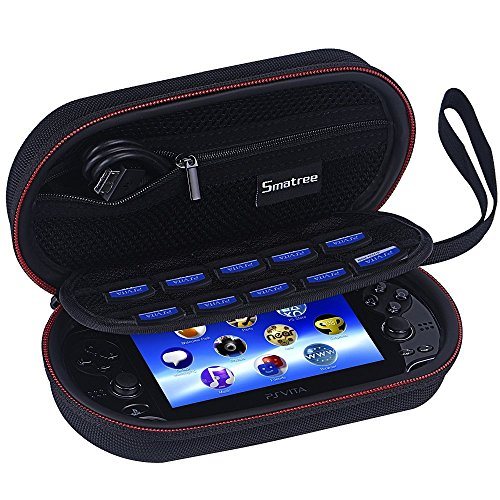
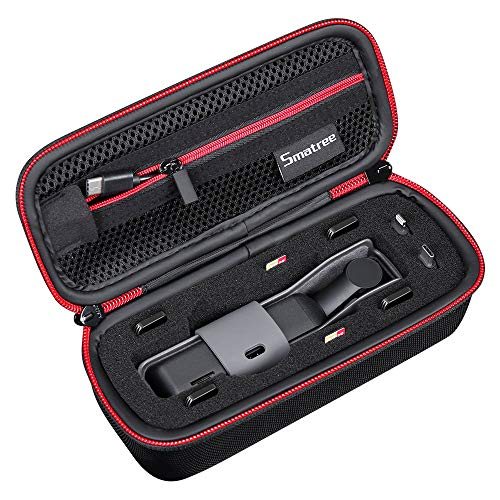
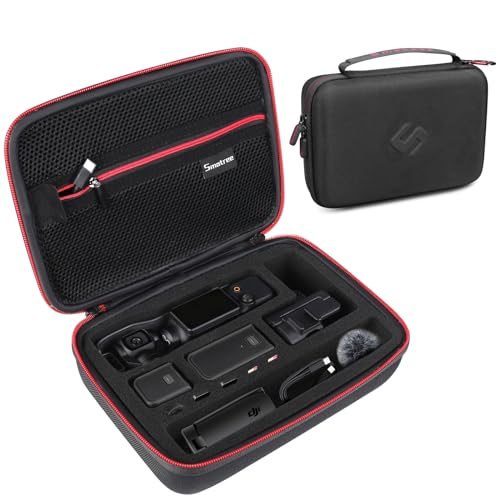
Action cameras. Small, expensive, and carried in exactly the places where things get dropped. The first cases we built were moulded hollows for a camera body, a spare battery and a handful of mounts, and that is still the pattern we use when we lay out any interior — one hollow, one object, no rattle.
What we build now
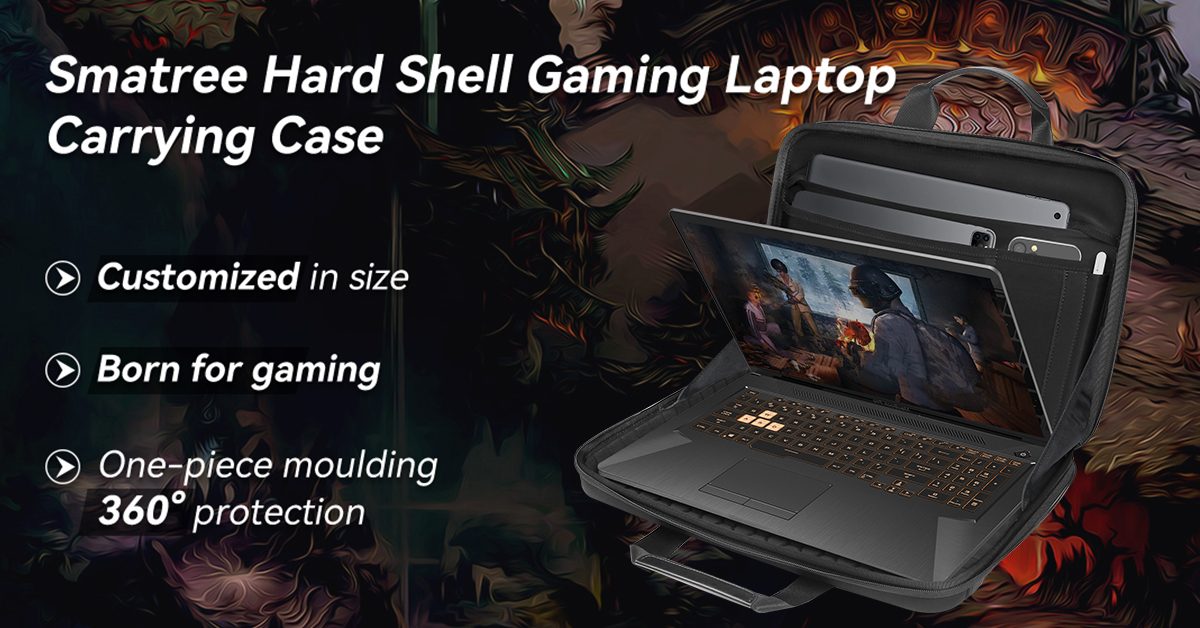
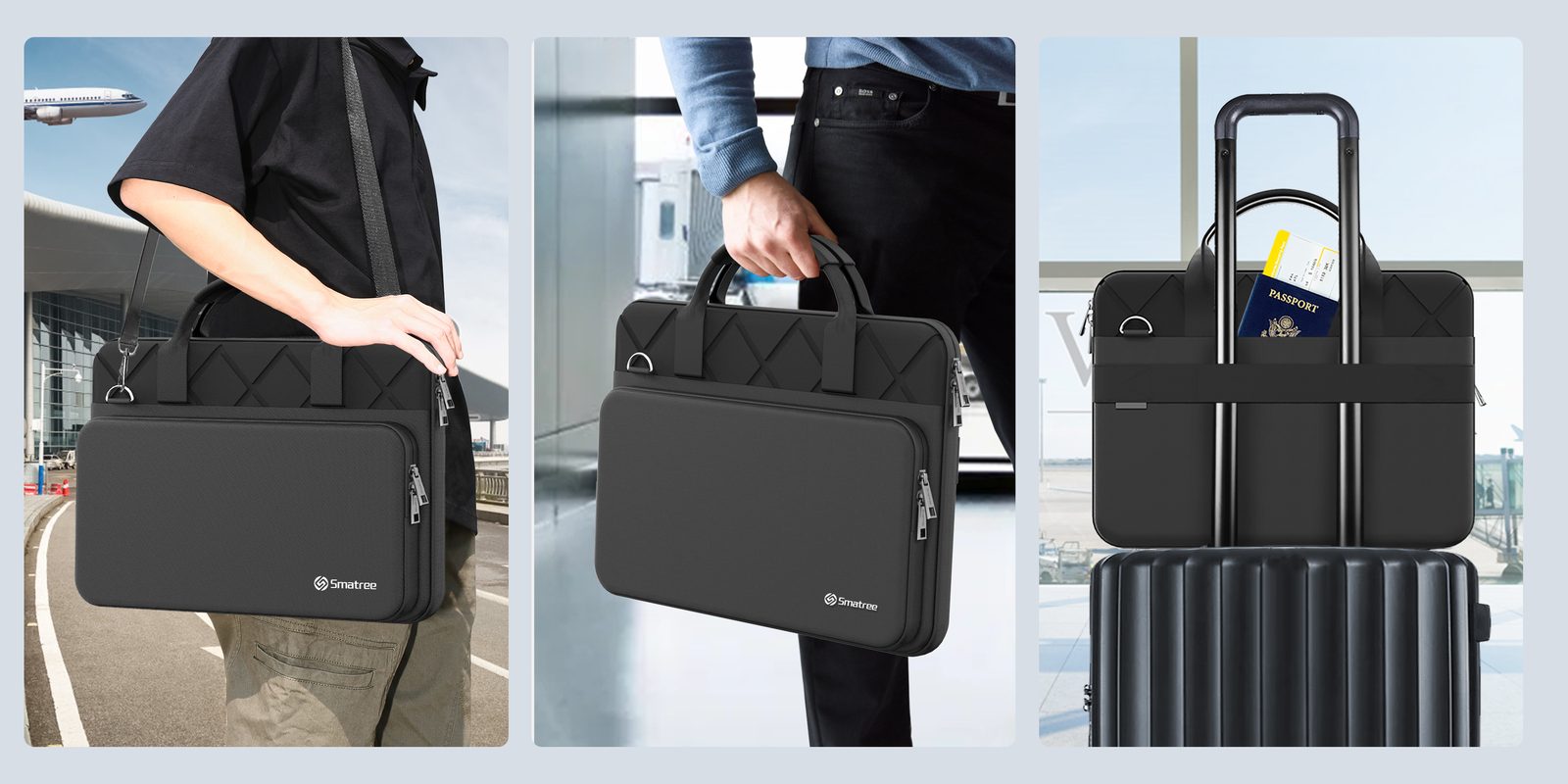
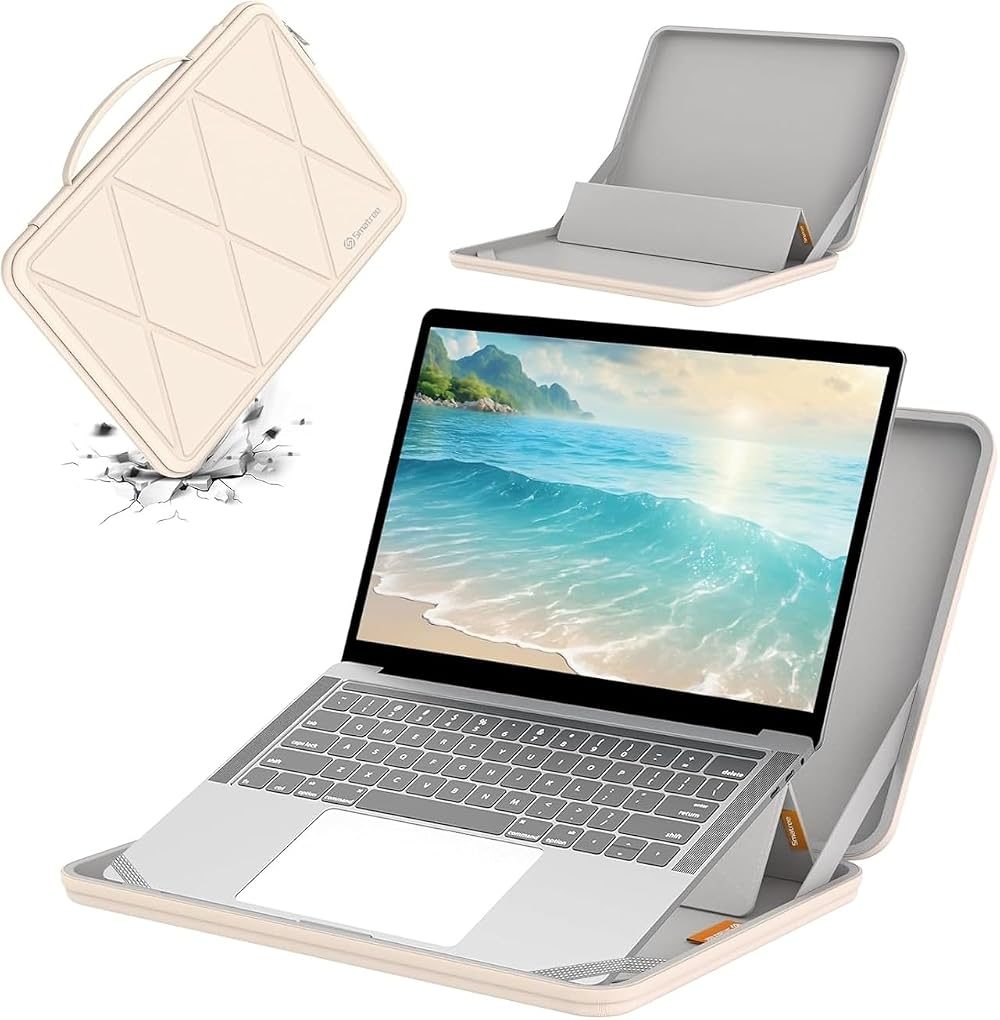
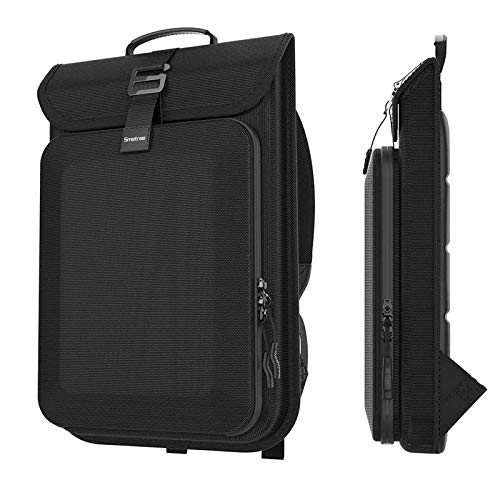
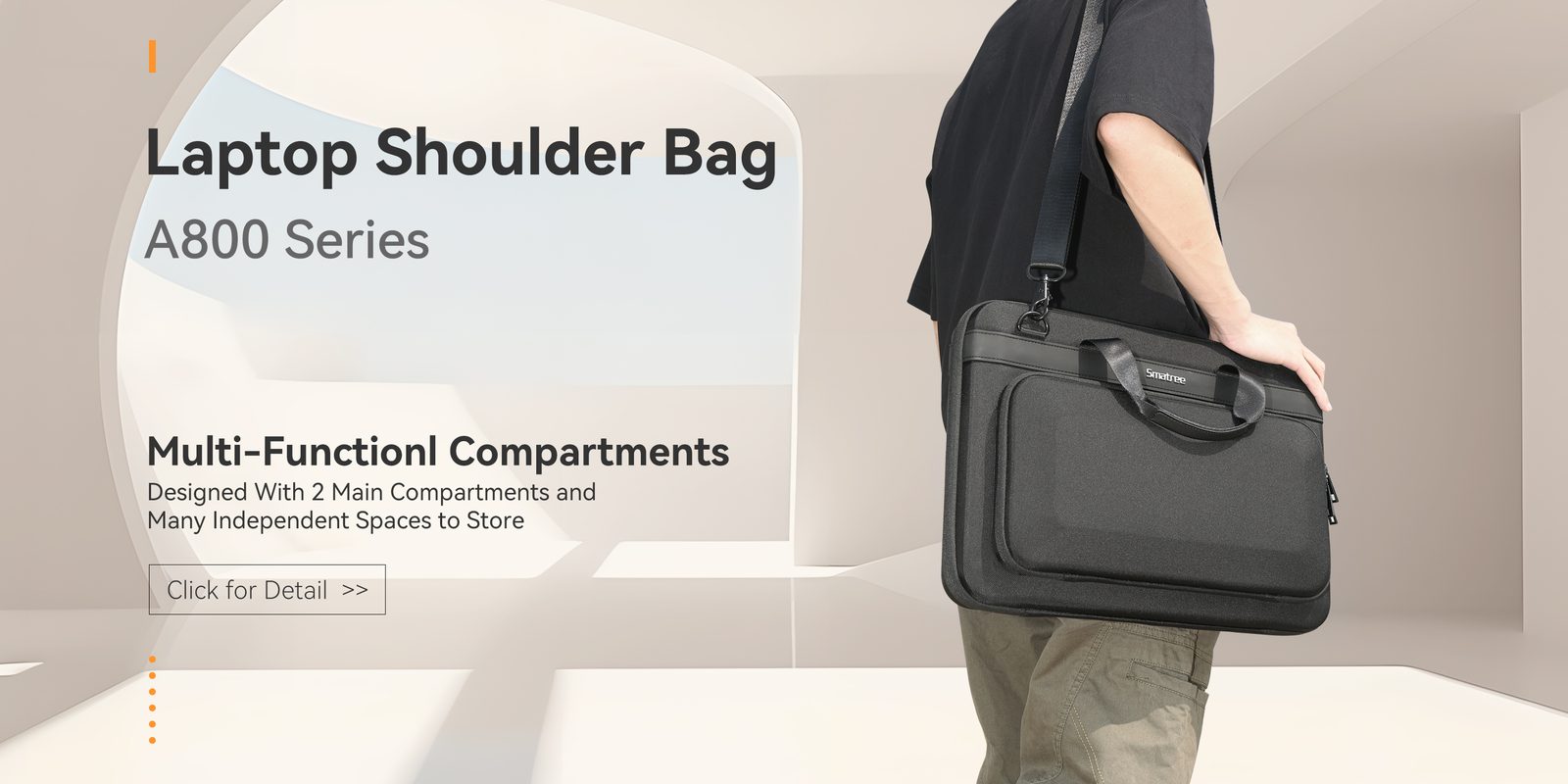
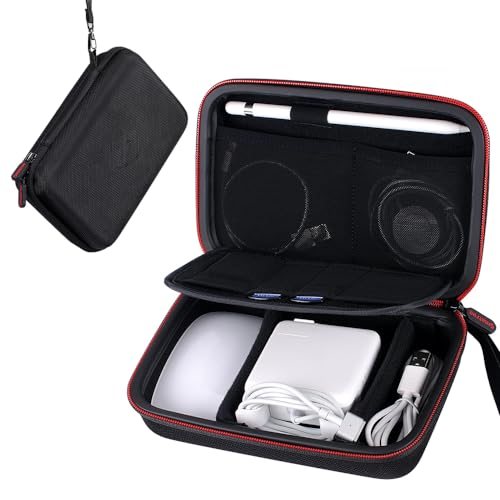
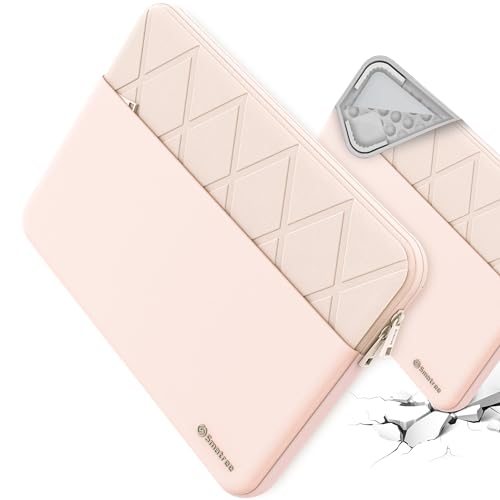
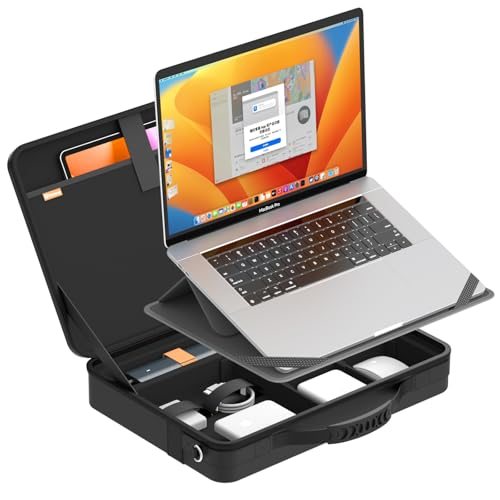
The catalogue has grown outward from that first shell. Hard cases that fold into a stand, sleeves cut to a single laptop, tablet shells with room for a folio and a stylus, charging docks that park a headset and its controllers overnight, backpacks and shoulder bags sized around the machine first. The method did not change — only the thing being measured.
Smatree action camera accessories, battery charger cases and charging docks
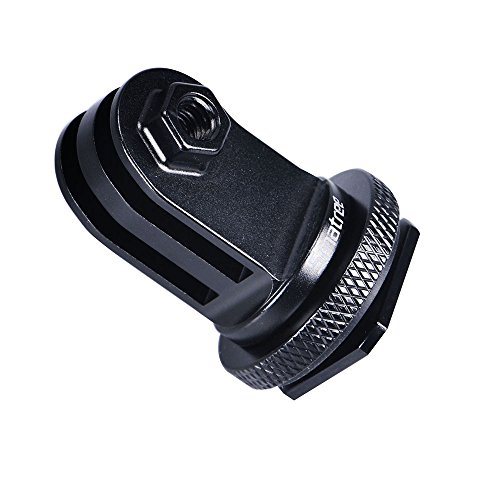
Before we cut a single laptop shell we made accessories for action cameras, and that side of our workshop is still busy. Our action camera accessories cover GoPro HERO bodies, DJI Osmo Action and DJI Osmo Pocket, and Insta360 cameras: protective cases with cut foam, floating hand grips, telescopic poles, adapters for tripod threads and the small mount accessories that go missing in a sports bag. Each one is designed for a named body, so accessories bought for an Osmo Action fit an Osmo Action and nothing has to be bent to make it work.
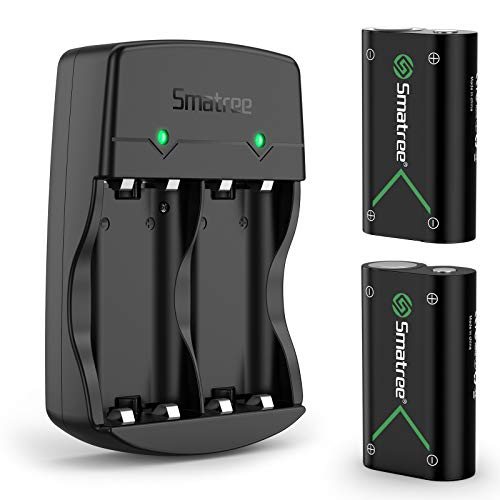
Charging is the other half of the kit. A GoPro or Insta360 battery charger case keeps spare cells in slots, charging them from one power input while the case doubles as storage; our charging docks do the same for headsets, controllers and drone batteries. Charging in slots runs cooler than charging in a pile, which is why the cells last. Customers who film sports and travel tend to pick up the charging case together with the protective case, and that pairing is how we lay out the shelves.
Electronics this small need reliable storage more than they need padding, and travel electronics need it most. Key information sits on every page — which devices a case was cut for, what goes inside, how charging works — and that information comes from the bench, not from a size chart. Security for the kit comes from the fit: EVA designed around cut hollows, spare adapters held in their own pocket, keys and cables kept off the lens, a reliable zip, no power brick rattling loose. Smatree accessories, Smatree charging docks and Smatree cases follow one rule, and customers come back for it: the hollow matches the thing.
How we cut a pattern
A case starts with the machine on a bench and a tape across it. We measure the body, then the lid, then the gap a port cover adds, then the swell a rubber foot puts under the base. The pattern is drawn around those numbers rather than around a round diagonal, which is why two cases on this site that both say the same inch count are not the same case.
The gap is the whole job
A machine that slides half an inch inside its own case arrives with a dented lid. Clearance is what we spend the most time on — enough to get the laptop in and out one-handed, not enough for it to move once the zip is closed.
Corners first
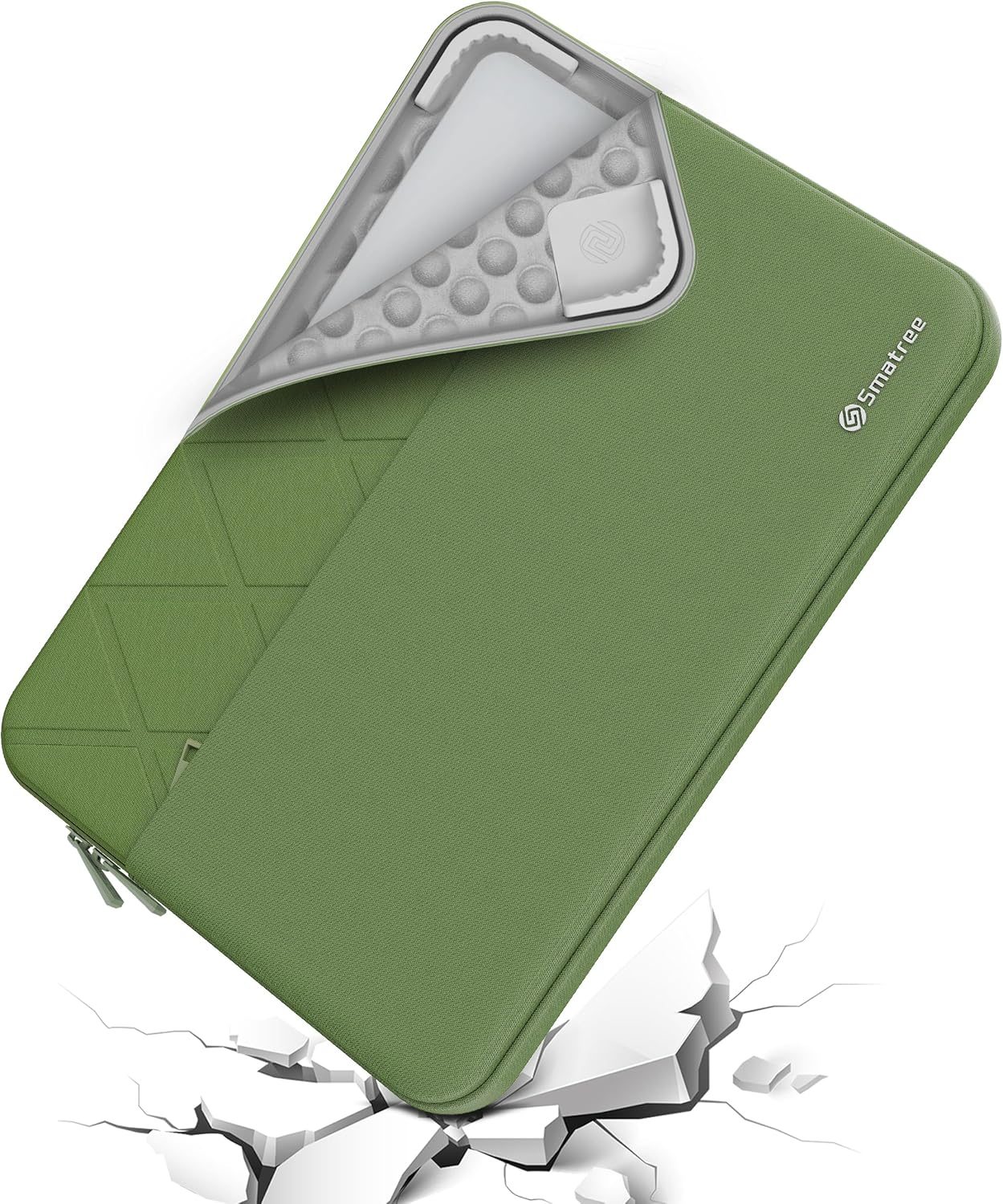
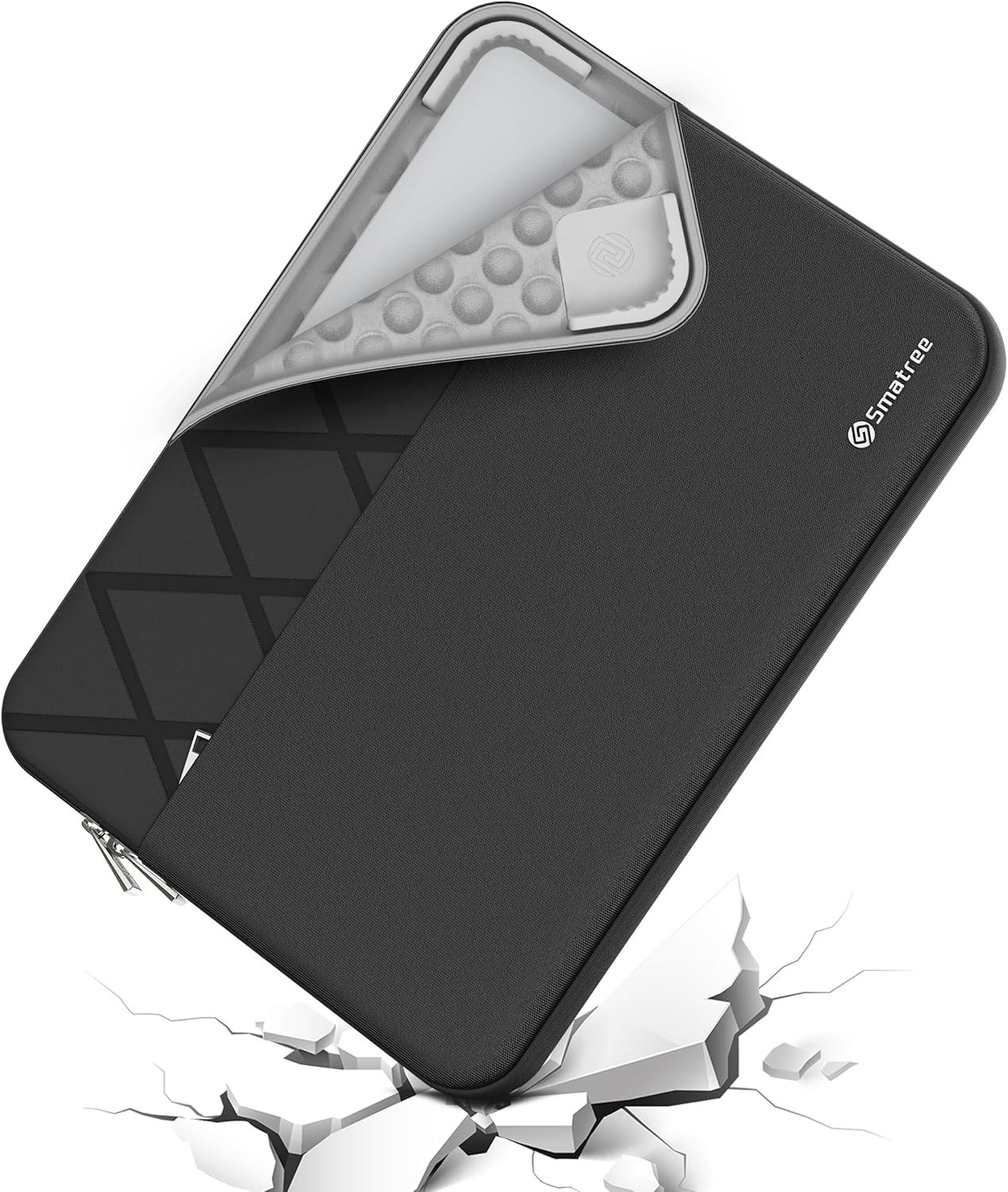
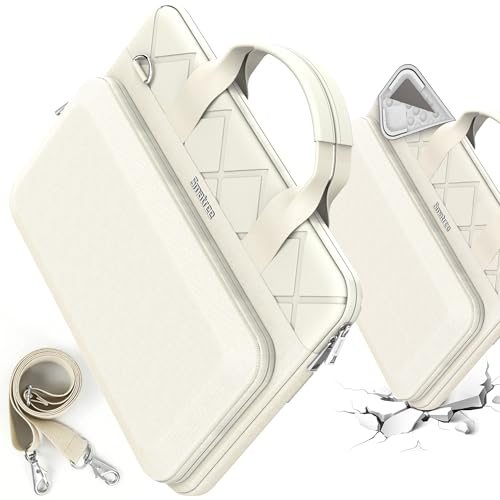
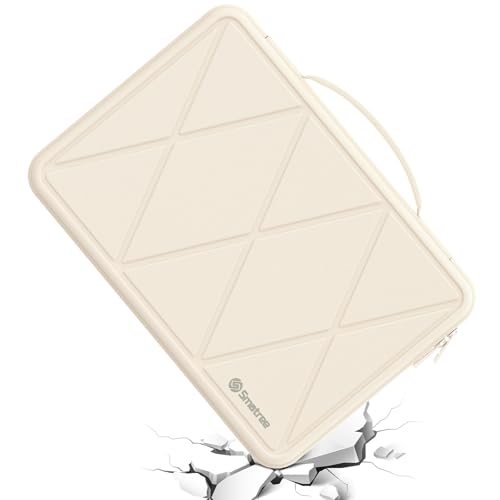
Super Corner reinforcement sits in the four places a dropped bag actually lands. The walls are stiff; the corners are stiffer. It costs material and it costs mould time, and it is the single thing most responsible for a shell surviving a tiled hallway.
Lining you cannot see
The inside is brushed rather than woven rough. Over a year, a coarse lining leaves a haze of fine scratches on a lid — the kind nobody notices until the machine is sold. Ours does not.
Shelves, and how to read them
We sort by what the thing is, not by who makes the machine. A hard shell is a hard shell whether the laptop inside it came from one maker or another, so the brand of your machine is a filter rather than a section. Pick the shelf that matches the job, then narrow it to your make.
Hard shells and stand cases
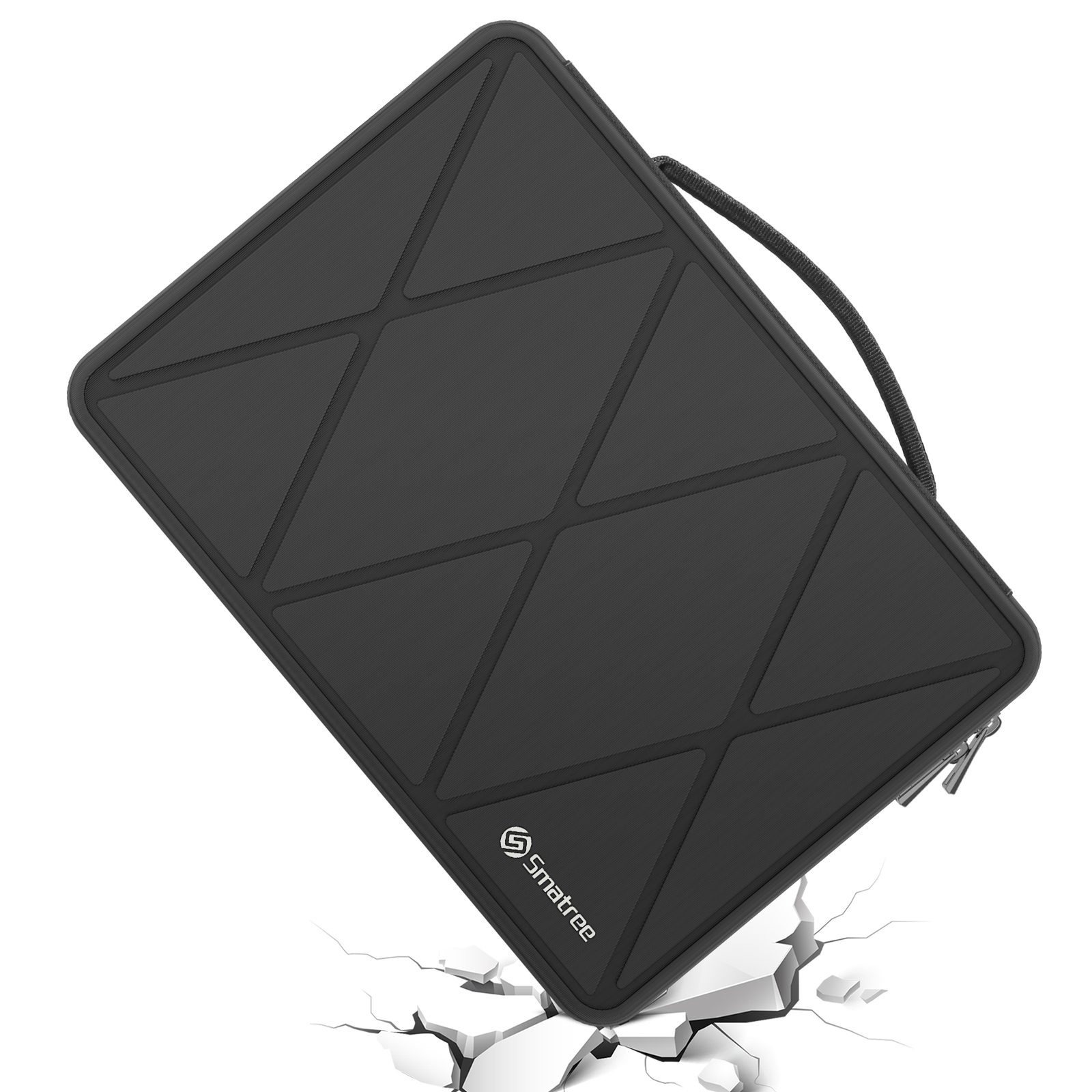
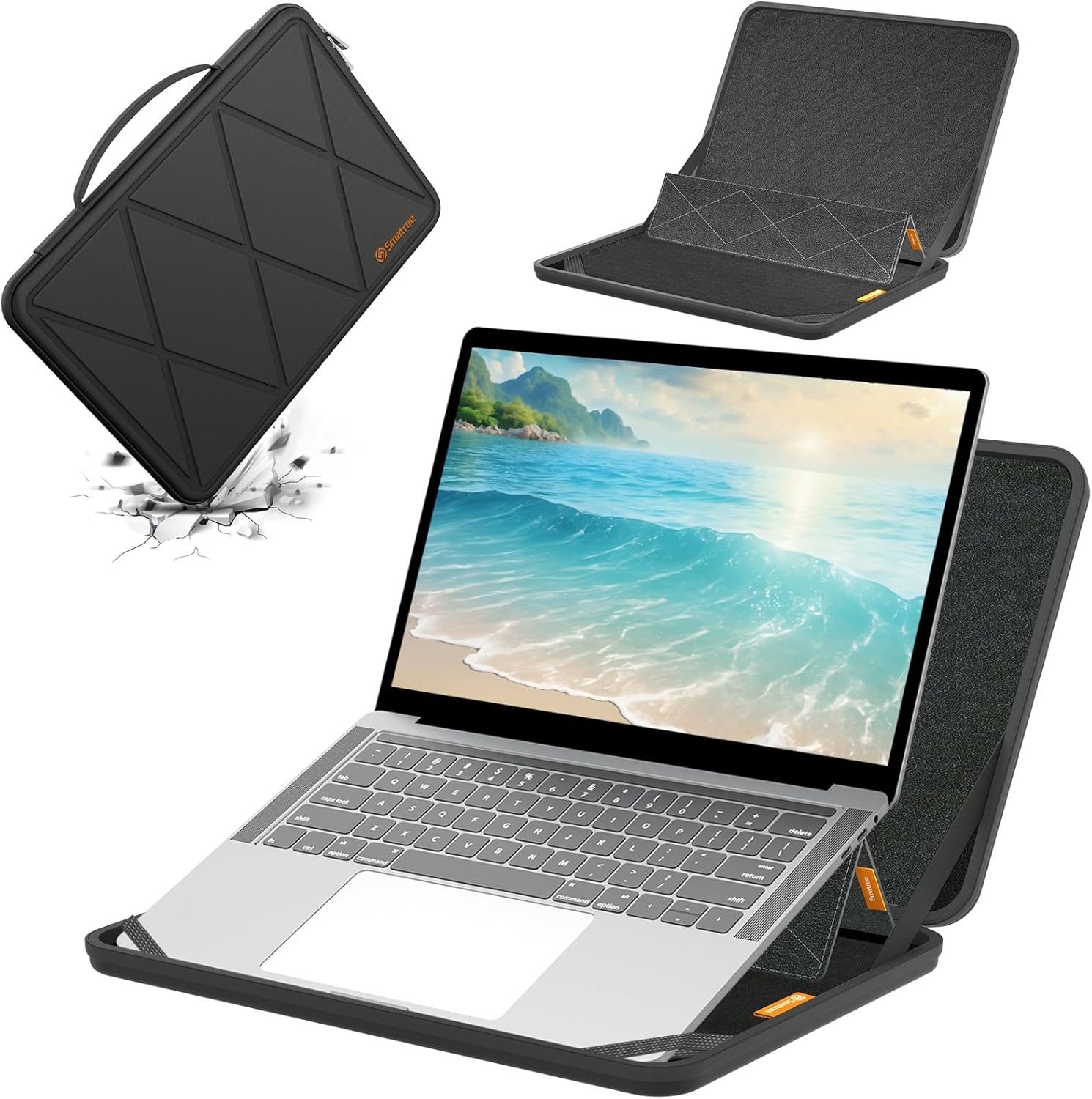
The stiff end of the catalogue. Moulded EVA, Super Corner reinforcement, and on the MS and T series a lid that folds back into a wedge so the machine sits at a typing angle on a café table.
Sleeves and UrbanEdge
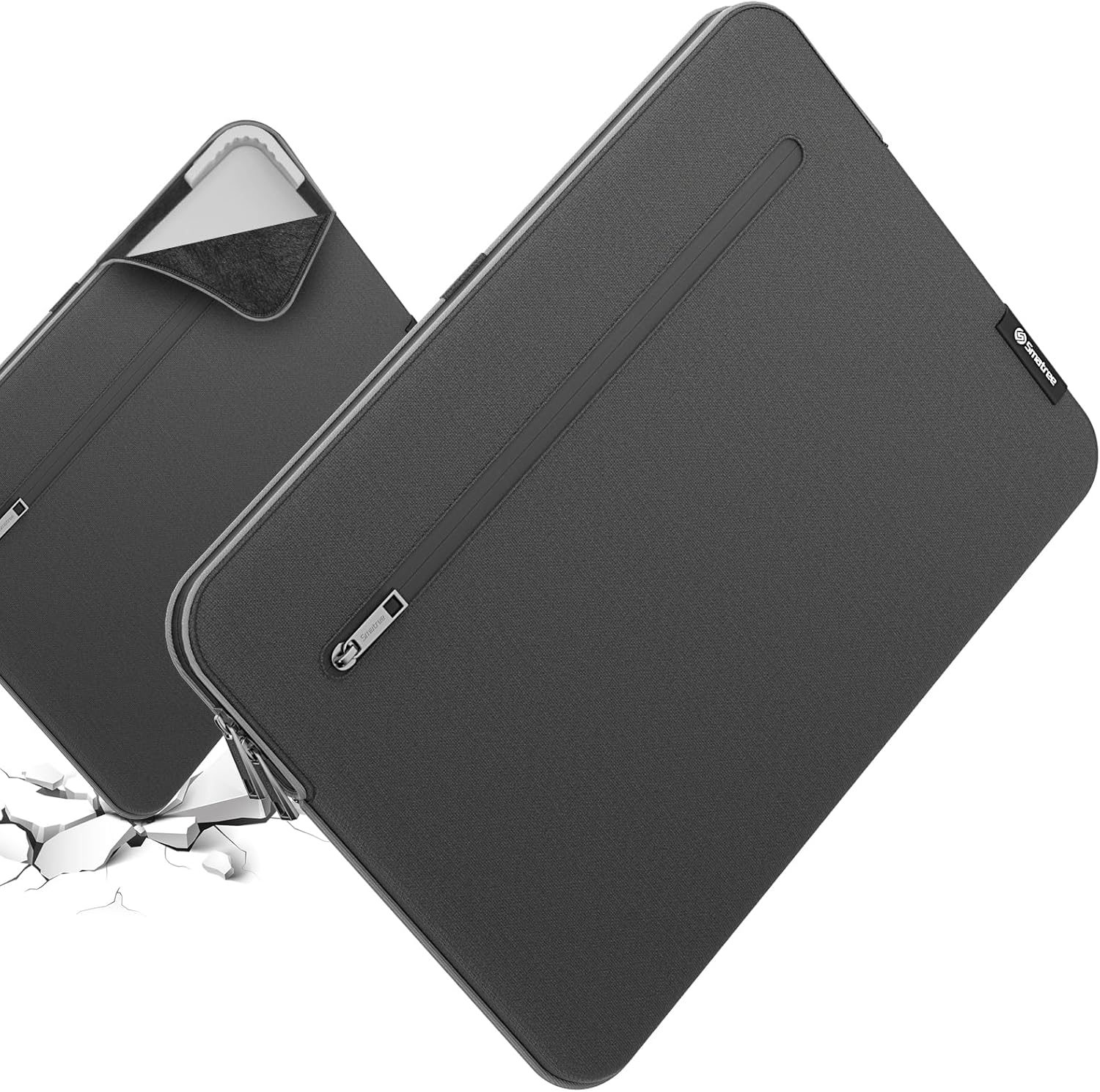
Thinner, quieter, cut to one machine. UrbanEdge keeps the hard inner shell and wraps it in a flat outer skin that reads as a folio instead of a camera case — the same protection, a different room to walk into.
Cameras, drones and poles
Moulded hollows for bodies, arms, lenses and spare cells, floating grips that do not sink, and telescopic poles whose locking collars bite on a wet hand. This is the shelf our oldest patterns live on.
Charging, bags and small shells
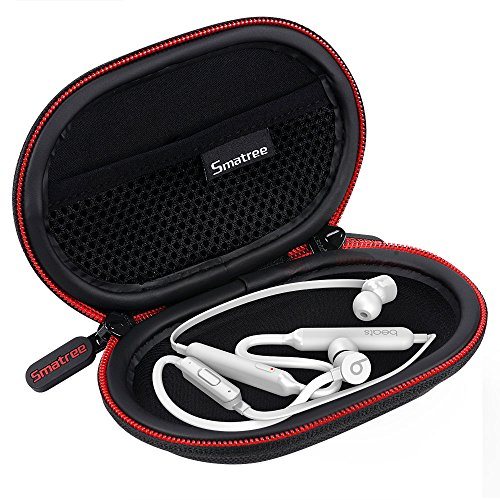
Docks that empty a desk overnight, packs and shoulder bags built around a laptop well, and the small moulded cases for earbuds, a stylus, a mini desktop and the cables that follow them around.
Fit, not size
Nearly every return in this category comes from the same place: a number on a box matched to a number in a listing. A diagonal describes a screen, not a body, and bezels have been shrinking for a decade. We publish the machines each case was measured against and we would rather you check twice than guess once.
Filtering a shelf
Every shelf carries a row of chips across the top — the laptop and camera makes we cut patterns for. Tapping one narrows the shelf to cases that were measured against that make, which is usually a faster route than reading titles.
When the fit is borderline
If your machine is a half-step outside what a page names, measure it and compare it with the internal dimensions we list. A protective skin or a thin screen cover is fine. A second hard shell already fitted to the lid is not — the case is cut to the bare machine.
What we do not do
We do not make the machines. We do not sell a universal case and call it a fit. We do not pad a listing with a season's worth of colours that are the same shell in different dye. If a pattern is not meaningfully different from one we already press, we do not press it.
No universal sizes
A sleeve sold as a range is a sleeve that fits nothing in the range properly. Where you see a size on this site it is attached to a list of machines, and that list is the actual product.
No dry-bag promises
Our shells shed rain on the walk from the car to the door. Several are built to float. None of them are dry bags, and we will not describe them as waterproof to win a line on a comparison table.
How we test
The way you will use it. Bag on the floor of a train, bag in the boot with a toolkit, bag set down hard on a tiled hallway, pack loaded and carried for a full day. The parts that fail first — hinges, strap anchors, locking collars, zip sliders — are the parts we overbuild, because they are the parts that come back.
The seams that tear
On any bag it is the strap anchor. Ours are riveted through a doubled panel, which is more work than stitching into a single layer and is the reason a full bag stays on the shoulder.
The hinges that sag
A hard case lives or dies on its hinge. Ours is reinforced along the full length so the shell stays square when the lid is open — otherwise a stand case stops standing after a season.
Buying one
Every page here links out to the listing where that exact item is sold. We do not take the order, hold your card or ship the parcel — the store does all three, and the order page you get afterwards is the thread to pull on if anything needs changing.
Returns and warranty
Our manufacturing warranty stands behind every case we press. Claims and returns run through the order page of the store you bought from, because they hold the record of the purchase and can settle it without a second conversation.
Stock and prices
Both move, and both belong to the store rather than to us. What we keep current here is the catalogue itself — which patterns exist, what they are cut for, and what is actually inside them.
Who we build for
People who carry one machine every day and would rather it lasted the full replacement cycle, and people who carry a camera kit into places that are hard on equipment. Different shelves, same argument: the case should be cut to the thing, and the thing should not move inside it.
Talking to us
Fit questions are the ones worth sending. Tell us the exact model of your machine and what you need the case to survive, and we will tell you which pattern was drawn for it — or that we have not drawn one yet, which happens more often than a catalogue this size suggests.